
For most small bathrooms, choose a compact ultrasonic diffuser with timer and automatic shut-off. In already-humid bathrooms or larger hospitality spaces, a waterless diffuser with adjustable scent intensity may be the better choice.
A bathroom diffuser should deliver a clean, controlled scent without becoming difficult to maintain. Because bathrooms already contain moisture, limited counter space and frequent temperature changes, the buying criteria are different from those for a bedroom or living room.
The best choice depends on the room size, ventilation, power access and how frequently the diffuser will run. It should also sit on a stable, dry surface where mist does not blow directly onto mirrors, walls, towels or electrical fittings.
Best Bathroom Diffuser by Room Size
| Bathroom Type | Recommended Diffuser | What to Prioritize |
|---|---|---|
| Powder room | Compact ultrasonic diffuser | Small footprint, low or intermittent mist, quiet operation and easy cleaning |
| Standard bathroom | Small or medium ultrasonic diffuser | Timer, auto shut-off, stable base and mist control |
| Large bathroom | Adjustable ultrasonic or waterless diffuser | Verified coverage, controlled intensity and convenient refill access |
| Hotel guest bathroom | Compact decorative diffuser | Simple controls, low maintenance, consistent appearance and secure placement |
| Spa or salon washroom | Waterless or programmable scent diffuser | Adjustable scent output, scheduled operation and straightforward oil replacement |
Coverage figures vary by model and room conditions, so use the manufacturer’s tested specification rather than assuming a tank size automatically equals a certain coverage area.
Why a Bathroom Needs a Different Diffuser Strategy
Existing humidity
Bathrooms already gain moisture from showers and baths. A water-based diffuser should provide fragrance, not serve as the room’s humidity solution.
Limited dry space
The unit needs a stable shelf or tray away from splashes, wet hands and frequently moved toiletries.
Fast scent build-up
Small rooms can become strongly scented quickly, so adjustable or intermittent operation is usually more useful than maximum output.
Ultrasonic or Waterless: Which Is Better?
Ultrasonic diffuser
Uses water and an ultrasonic plate to create a light aromatic mist. It suits many small bathrooms when the unit is kept dry, cleaned regularly and operated at a moderate setting.
Waterless diffuser
Atomizes oil without a water tank. It can suit humid climates, hospitality washrooms and users who want stronger scent control without adding water mist.
A diffuser and a humidifier can both create visible mist, but their purpose and output are different. Read the diffuser versus humidifier guide before describing or merchandising a bathroom diffuser.

Seven Features to Check Before Buying
- Technology: Decide whether the market needs a water-based ultrasonic model or a waterless scent system.
- Room size: Match the tested fragrance coverage to the bathroom rather than relying on appearance alone.
- Mist or intensity control: Intermittent operation helps prevent fragrance from becoming overpowering in a compact room.
- Automatic shut-off: For water-based models, confirm the unit stops when the tank is empty.
- Cleaning access: A wide opening and removable cover make routine cleaning simpler.
- Power arrangement: Confirm cable length, plug type, voltage and the intended dry placement before purchase.
- Material and finish: Select a housing that suits the sales channel, whether easy-care plastic, glass, ceramic or another decorative material.
Where Should a Diffuser Be Placed in a Bathroom?
- Use a level, stable and dry shelf, cabinet or tray.
- Keep the unit away from the sink edge, shower, bath and dripping towels.
- Leave space around the mist outlet so the scent can circulate.
- Avoid aiming mist directly at mirrors, painted walls or wood cabinetry.
- Do not place the diffuser on the floor where it can be kicked or splashed.
- Keep the unit accessible enough to empty, wipe and refill safely.
If the bathroom has a strong exhaust fan, avoid placing the diffuser directly below or beside the airflow path. Otherwise, much of the fragrance may be removed before it circulates through the room.
Bathroom Scent Profiles That Work Well
Choose oils for their fragrance character rather than making unsupported health or cleaning claims. Fresh, simple blends are easier to merchandise and less likely to become overwhelming in a small room.
Crisp citrus
Lemon, grapefruit and sweet orange create a bright, familiar scent profile for morning routines and guest bathrooms.
Fresh herbal
Eucalyptus, rosemary, mint and tea tree have a sharper aromatic character that works well at low intensity.
Soft spa style
Lavender, cedarwood and gentle floral blends create a calmer fragrance direction for hotel and wellness collections.
Three Product Directions for Bathroom Collections
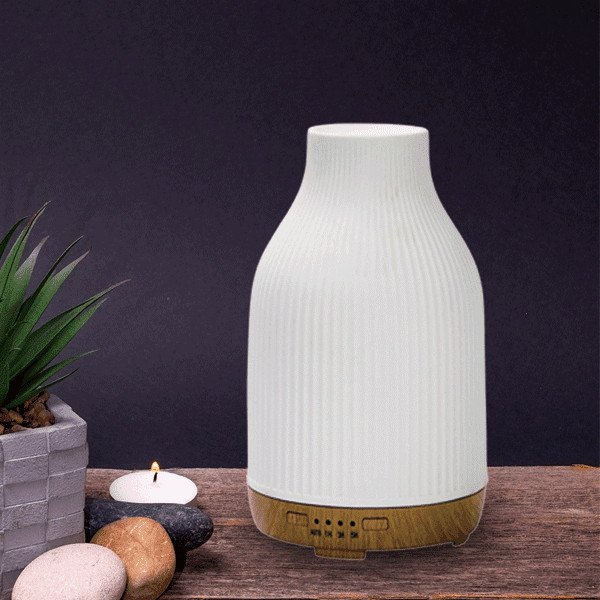
Ceramic ultrasonic diffuser
Best for premium décor collections, boutique retail and hotel guest-room concepts where appearance matters.
View a ceramic diffuser model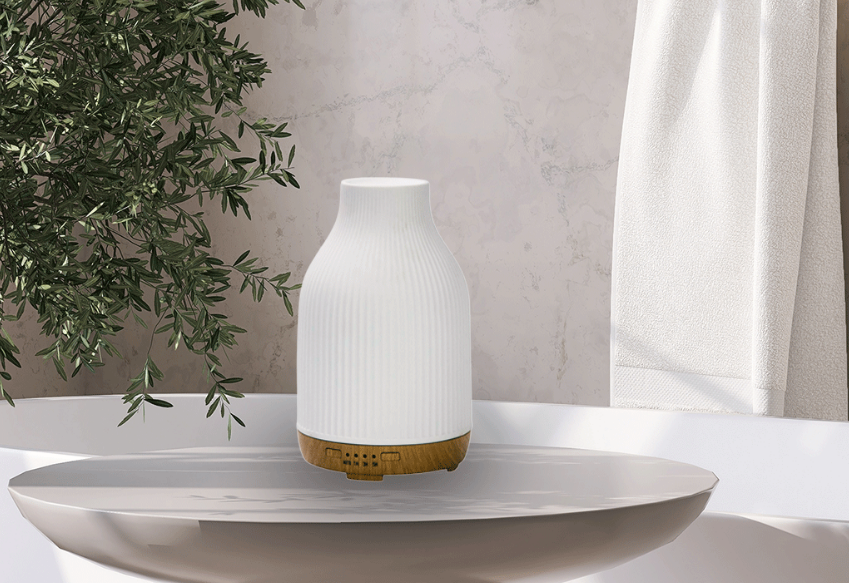
Compact ultrasonic diffuser
Best for small bathrooms, gifting, subscription boxes and retailers seeking an accessible entry-level design.
Browse diffuser products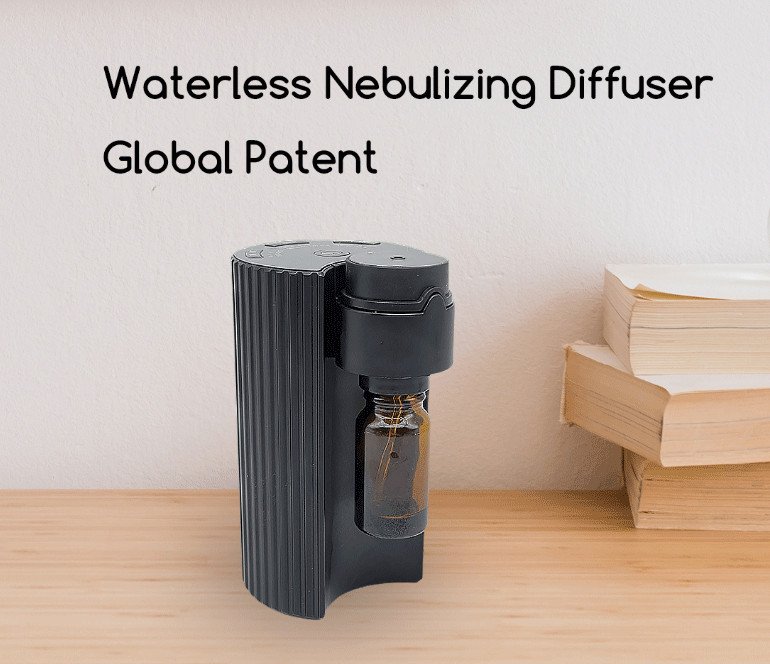
Waterless diffuser
Best for humid regions, stronger scent control and selected spa, salon or hospitality applications.
Read the waterless guideCleaning and Maintenance
Bathroom residue, dust and essential oil can build up around a diffuser. Empty the tank after use when required by the manual, wipe the exterior with a soft cloth and clean the tank and ultrasonic plate using the manufacturer’s instructions.
Do not immerse the base, pour water into air outlets or use aggressive cleaners on decorative finishes. When mist becomes weak or stops, follow the diffuser troubleshooting checklist before assuming the unit needs replacement.
Planning a Wholesale or Hospitality Bathroom Diffuser Project?
Before approving a model, compare both the product and the project requirements. A good bathroom diffuser program should be easy to operate, straightforward to clean and consistent with the intended room design.
- Target market and sales channel
- Ultrasonic or waterless technology
- Room type and intended fragrance coverage
- Housing material and color direction
- Timer, mist mode and auto shut-off
- Logo and private-label packaging
- Plug, voltage and accessory requirements
- Product documents and testing needs
- Sample quantity and order quantity
- Production and delivery schedule
Claims Retailers Should Avoid
Product copy should reflect the tested features of the specific model. Avoid universal statements such as “waterproof,” “kills bathroom bacteria,” “safe for every pet,” “purifies the air,” or “works as a full-room humidifier” unless the model has appropriate design evidence and the wording is legally suitable for the target market.
More reliable sales language focuses on fragrance delivery, design, timer modes, mist control, material, easy cleaning, automatic shut-off and customization.
Frequently Asked Questions
What is the best essential oil diffuser for a small bathroom?
A compact ultrasonic diffuser with a stable base, intermittent mist, timer and automatic shut-off is suitable for many small bathrooms. Keep it on a dry shelf away from splashes.
Can I put a diffuser beside the bathroom sink?
It is better to keep the diffuser farther from the sink edge and any place where water can splash onto the unit, cable or plug.
Is a waterless diffuser better for a humid bathroom?
It can be. A waterless diffuser does not add water mist and can provide adjustable fragrance output, but the best option still depends on room size, oil use and maintenance preferences.
Can a bathroom diffuser replace a humidifier?
No. A standard aroma diffuser is designed mainly for fragrance. An ultrasonic model releases a small amount of water mist, but it is not a substitute for a dedicated humidifier.
How often should a bathroom diffuser be cleaned?
Follow the product manual and clean it frequently enough to prevent oil residue and mineral buildup. More frequent cleaning may be needed when changing oils or using the unit every day.
What should wholesale buyers request from a diffuser supplier?
Request model specifications, material details, power information, operating instructions, available documents, packaging options, sample terms, order quantity, lead time and quality-control information.
Related DIFFUSERO Guides and Products
Continue with these verified diffuser technology, product and sourcing pages.
Need the Right Diffuser for Your Market?
Tell DIFFUSERO your target customer, sales channel, preferred material, function, packaging and order quantity. We will help you shortlist suitable models and prepare a practical OEM or wholesale quotation.
Request a Catalog and Quote